It started the way most of our best adventures do — a friend sent me what can only be described as a mission briefing. "You and Lily need to learn this," he said, dropping a wall of text into my messages like we were being recruited for something important. Traditional Chinese Medicine. The whole system. Herbs, meridians, acupressure points, food as medicine — all of it.
So that's exactly what we're going to do. Lily and I are building an 8-week lesson plan to explore TCM together — father and daughter, learning side by side. We're not abandoning modern medicine or pretending we're about to become herbalists overnight. We're just opening a different lens on health, one that's been refined over 3,000 years, and seeing what it can teach us.
We're sharing the entire plan here so other families can follow along. Every lesson, every activity, every resource — laid out week by week. If a kid and her dad can do this, so can you.
👋 Before You Start — A Note for Parents
If you’re reading this thinking “I don’t know anything about TCM” — perfect. Neither do we. That’s the whole point. This course is designed for complete beginners — a parent and child learning together from scratch.
Lily is a kid. We wrote every lesson so a kid can understand the core idea, even if the parent is learning it for the first time too. Each week has:
- 🗣️ A simple explanation you can read out loud together
- 🎨 A hands-on activity that makes the concept physical and fun
- ⭐ A “Lily Challenge” — a creative project your kid does on their own
- 📺 Video links so you can watch and learn visually
- 🛒 What to buy (if anything) listed clearly
Time commitment: About 60-90 minutes per week. Do it on a Saturday morning, or split into two shorter sessions.
What you need to start: Nothing for the first 4 weeks except curiosity and a printer (for the activities). Starting Week 5 you’ll want a meridian chart poster. Week 6 needs moxa sticks and a holder. Week 7 needs rice, ginger, and scallions.
The golden rule: If Lily gets bored, stop and do the activity. The activities are where the real learning happens.
🌿 Why TCM? Why Us?

Here's the honest truth: when most people hear "Traditional Chinese Medicine," they think of one of two things — acupuncture needles or mysterious teas. But TCM is an entire system of understanding the body, built on a handful of core ideas that connect everything:
🧭 The Four Core Concepts
🌬️ Qi (pronounced "chee") — The vital energy that flows through your body. When it flows freely, you feel good. When it's blocked or depleted, you don't.
☯️ Yin and Yang — Opposite forces that need to stay in balance. Think cool and warm, rest and activity, night and day. Health is balance.
🌍 Five Elements — Wood, Fire, Earth, Metal, Water. Each one connects to organs, emotions, seasons, and foods. It's a map of how everything relates.
🗺️ Meridians — Energy highways in the body where Qi flows. There are 12 main ones, each connected to an organ system.
Does some of that sound "out there"? Honestly — yeah, a little. And that's exactly why we want to learn it properly instead of just dismissing it. Three thousand years of practice deserves more than a shrug.
📚 The 8-Week Lesson Plan
Here's the full plan, broken down week by week. Each lesson is designed to take about 60–90 minutes, with hands-on activities that make the concepts stick.
📖 Week 1: The Big Picture — What Is TCM?
Before we dive into the details, we need to understand the big picture. What is Traditional Chinese Medicine? Where did it come from? And why has it lasted for thousands of years when so many other systems have faded away?
This week we're going to explore TCM as a complete system — not just a collection of remedies, but a philosophy of health. The central idea is balance. Where Western medicine often asks "What's broken and how do we fix it?", TCM asks "What's out of balance and how do we restore harmony?"
We'll watch a documentary together, talk about what "balance" means in our own lives, and start a journal that Lily will keep throughout all eight weeks.
💡 How to explain it to your kid: “You know how when you’re sick, we go to the doctor and they give you medicine for what hurts? In China, doctors learned a different way — instead of just fixing what hurts, they try to figure out why it hurts and help your whole body get balanced again. It’s like the difference between patching a hole in a boat versus figuring out why the boat keeps getting holes.”
🎯 Activity
Watch a TCM introductory documentary together (see Video Resources below). After watching, discuss: What does "balance" mean to you? Can you think of times your body felt "in balance" versus "out of balance"?
🌸 Lily Challenge: Start a TCM journal. Decorate the cover and write down three things you already know (or think you know) about Chinese medicine. We'll revisit these in Week 8!
🌬️ Week 2: Qi — The Energy That Runs Everything

If TCM had a single word that unlocked everything else, it would be Qi. It's the vital energy that flows through every living thing — your breath, your movement, your digestion, even your thoughts. You can't see it under a microscope, but TCM practitioners have been mapping its behavior for millennia.
This week we're going to learn what Qi actually is, why it matters, and what happens when it gets stuck, depleted, or overactive. Spoiler: most of us have experienced "Qi problems" without ever calling them that.
💡 How to explain it to your kid: “Qi is like the electricity that runs through your body. You can’t see electricity, but you know it’s real because it makes the lights turn on. Qi is the energy that makes YOU turn on — it helps you breathe, digest food, think, and move. When the energy flows smoothly, you feel great. When it gets stuck, you feel tired or sick.”
⚡ The Four Types of Qi
Yuan Qi (Original Qi) — The Qi you're born with, inherited from your parents. Think of it as your constitutional battery. You can't make more, but you can waste it or conserve it.
Ying Qi (Nutritive Qi) — Made from the food you eat. This is the Qi that nourishes your organs and blood. Eat well → better Ying Qi.
Wei Qi (Defensive Qi) — Your body's shield. It flows on the surface and protects you from getting sick. Think of it as your immune energy.
Zong Qi (Gathering Qi) — Made from the air you breathe. It powers your lungs and heart. Deep breathers have strong Zong Qi.
🎯 Activity
Practice a simple belly breathing exercise together. Sit comfortably, place one hand on your chest and one on your belly. Breathe in slowly through your nose for 4 counts — the belly hand should rise while the chest hand stays still. Hold for 2 counts. Exhale through your mouth for 6 counts. Repeat 10 times.
🌸 Lily Challenge: Try belly breathing every morning this week for 5 minutes. In your journal, rate your energy level each day from 1–10 and note any changes.
☯️ Week 3: Yin and Yang — The Dance of Opposites

Everyone's seen the yin-yang symbol, but most people don't really get what it means. It's not just "good and evil" or "light and dark." It's the idea that everything in nature exists as a pair of complementary opposites, and health comes from keeping them in dynamic balance.
This week we'll learn how Yin and Yang apply to the body, to food, to the seasons, and to the organs. And we'll discover something cool: every organ in TCM is classified as either Yin or Yang.
💡 How to explain it to your kid: “Everything in the world comes in pairs that need each other. Day needs night. Summer needs winter. Running needs resting. Your body is the same — it needs the right balance of active and calm, warm and cool. When one side gets too much, you don’t feel good. TCM is about finding that balance.”
| Yin ☽ | Yang ☀️ |
|---|---|
| Cool | Warm |
| Dark | Bright |
| Still | Active |
| Rest | Movement |
| Water | Fire |
| Nourishing | Transforming |
Yin Organs (solid, store vital substances): Heart, Liver, Spleen, Lungs, Kidneys, Pericardium
Yang Organs (hollow, transform and transport): Small Intestine, Gallbladder, Stomach, Large Intestine, Bladder, Triple Burner
The Yin organs are considered the most vital — they store the essences that keep you alive. The Yang organs are the workers — they process, transform, and move things through the body.
🎯 Activity
Go on a Yin-Yang Scavenger Hunt! Walk around the house or neighborhood and find 10 examples of Yin-Yang pairs in real life: shadow and sunlight, a sleeping cat and a running dog, cold water and hot tea, a quiet room and a noisy street.
🌸 Lily Challenge: Draw the yin-yang symbol and fill each side with real examples from your scavenger hunt. Bonus: notice the dot in each half — can you find yin within yang and yang within yin?
🌍 Week 4: The Five Elements — Nature's Operating System

Five Element theory is where TCM starts to feel like a superpower. It's a framework that connects everything — organs, emotions, seasons, tastes, colors, sounds — into one elegant system. Once you learn the Five Elements, you start seeing patterns everywhere.
Each element represents a phase of transformation in nature, and each one is linked to specific organs, emotions, and even foods that support or control it.
💡 How to explain it to your kid: “Imagine your body is like a world with five kingdoms — Wood, Fire, Earth, Metal, and Water. Each kingdom controls different things: your feelings, your organs, even what foods taste good to you. When all five kingdoms get along, you’re healthy and happy. When one kingdom gets too powerful or too weak, the others feel it too.”
| Element | Season | Organ | Emotion | Taste | Color |
|---|---|---|---|---|---|
| 🌳 Wood | Spring | Liver / Gallbladder | Anger | Sour | 🟢 Green |
| 🔥 Fire | Summer | Heart / Small Intestine | Joy | Bitter | 🔴 Red |
| ����️ Earth | Late Summer | Spleen / Stomach | Worry | Sweet | 🟡 Yellow |
| ⚙️ Metal | Autumn | Lungs / Large Intestine | Grief | Spicy/Pungent | ⚪ White |
| 💧 Water | Winter | Kidneys / Bladder | Fear | Salty | ⚫ Black/Blue |
🔄 The Two Great Cycles
The Generating Cycle (Sheng): Each element nourishes the next, like a parent feeding a child. Wood feeds Fire → Fire creates Earth (ash) → Earth bears Metal (minerals) → Metal enriches Water (minerals dissolve) → Water nourishes Wood (trees grow). This is the cycle of creation and support.
The Controlling Cycle (Ke): Each element keeps another in check, preventing it from getting too strong. Wood parts Earth (roots) → Earth dams Water → Water extinguishes Fire → Fire melts Metal → Metal chops Wood. This is the cycle of balance and regulation.
🎯 Activity
Using the table above, try to identify which element is dominant for each family member. Do you tend toward anger (Wood) or worry (Earth)? Do you love spicy food (Metal) or salty food (Water)? Are you most energized in summer (Fire) or autumn (Metal)?
🌸 Lily Challenge: Create a Five Elements poster. Draw the five elements in a circle with arrows showing the Generating Cycle. Use colored pencils that match each element's color. Bonus: draw the Controlling Cycle with dotted lines cutting across the circle!
🗺️ Week 5: Meridians — The Body's Energy Highways

Now that we understand Qi and the Five Elements, it's time to learn where Qi actually flows. Meridians are the invisible highways that connect every organ to every other part of the body. There are 12 primary meridians, and each one has a 2-hour window during the day when it's at peak energy. This is called the Qi Clock.
The Qi Clock is one of the most practical tools in TCM. It explains why you wake up at the same time every night (your liver might be working overtime), why you get that 3pm slump (your bladder meridian is peaking), and when the best time to eat, exercise, or rest actually is.
| Time | Organ | Focus |
|---|---|---|
| 3–5 AM | 🫁 Lungs | Deep breathing, sleep |
| 5–7 AM | 🔄 Large Intestine | Elimination, wake up |
| 7–9 AM | 🍚 Stomach | Eat a warm breakfast |
| 9–11 AM | 🌾 Spleen | Thinking, concentration |
| 11 AM–1 PM | ❤️ Heart | Joy, connection, light lunch |
| 1–3 PM | 🔬 Small Intestine | Sorting, absorbing nutrients |
| 3–5 PM | 💧 Bladder | Drink water, study, work |
| 5–7 PM | 🦴 Kidneys | Restore vital energy, light dinner |
| 7–9 PM | 💛 Pericardium | Socializing, emotional connection |
| 9–11 PM | 🔥 Triple Burner | Wind down, prepare for sleep |
| 11 PM–1 AM | 🌳 Gallbladder | Deep sleep, decision processing |
| 1–3 AM | ��� Liver | Detox, blood cleansing, deep rest |
🎯 Activity
Using the Qi Clock, trace the lung meridian on your arm. It runs from the chest, down the inside of your arm, to your thumb. Use a washable marker and try to follow the path. Then trace the large intestine meridian — it runs from the index finger up the outside of the arm to the face.
🌸 Lily Challenge: For one day, keep a "Qi Clock diary." Every two hours, note what you're doing and how you feel. Does the Qi Clock match your energy? Were you focused during Spleen time? Tired during Liver time?
👆 Week 6: Acupuncture and Acupressure — Unlocking the Points

This is the week where things get really hands-on — literally. Acupuncture uses thin needles to stimulate specific points along the meridians. Acupressure uses the same points but with finger pressure instead. Same theory, no needles required.
There are over 350 acupuncture points on the body, but you don't need to know all of them. We're going to learn five power points that are safe, easy to find, and genuinely useful for everyday issues like headaches, nausea, stress, and low energy.
🎯 The Five Power Points
1. LI-4 — Hegu (合谷) "Joining Valley"
📍 Location: In the webbing between your thumb and index finger, at the highest point of the muscle when you squeeze them together.
✅ Helps with: Headaches, toothaches, neck pain, colds, stress. This is the single most used acupressure point in the world.

2. PC-6 — Neiguan (内关) "Inner Pass"
📍 Location: On the inner wrist, about 2 inches (three finger widths) below the wrist crease, between the two tendons.
✅ Helps with: Nausea, motion sickness, anxiety, chest tightness, insomnia. Those anti-nausea wristbands? They press exactly this point.

3. ST-36 — Zusanli (��三里) "Leg Three Miles"
📍 Location: About 4 finger widths below the kneecap, one finger width to the outside of the shinbone. You'll feel a slight dip.
✅ Helps with: Low energy, digestive issues, immune boost, overall vitality. Ancient travelers would press this point to walk "three more miles" when exhausted.

4. LV-3 — Taichong (太冲) "Great Surge"
📍 Location: On the top of the foot, in the depression between the big toe and second toe, about 2 finger widths back from the web.
✅ Helps with: Stress, irritability, anger, eye strain, menstrual pain. Combined with LI-4, this pair is called the "Four Gates" — one of the most powerful combos in acupressure.

5. GB-20 — Fengchi (风池) "Wind Pool"
📍 Location: At the base of the skull, in the hollows on either side of the spine where the neck muscles attach. Tilt your head back slightly to find them.
✅ Helps with: Tension headaches, stiff neck, dizziness, eye fatigue, colds. Perfect for screen-time recovery.

💡 How to Do It
Use your thumb or index finger to apply firm, steady pressure to the point. Press and hold for 1–2 minutes, or use small circular motions. You should feel a deep, achy sensation — that means you've found it. Breathe slowly while pressing. Do both sides of the body.
🎯 Activity
Practice finding and pressing LI-4 (the hand point). Have each family member try it — can you feel the achy sensation? Next time someone gets a headache, try pressing LI-4 for 2 minutes before reaching for medicine.
🌸 Lily Challenge: Make a "Body Map Poster." Draw an outline of a person and mark all five acupressure points with labels. Include the Chinese name, the location tip, and what each point helps with. Hang it on the fridge!
Moxibustion — The Fire Side of Chinese Medicine
Here’s something most people don’t know: the Chinese word for acupuncture is 针灸 (zhēnjiǔ) — literally “needle AND moxa.” Moxibustion has been part of the system from the very beginning, possibly even predating acupuncture by centuries.

Moxibustion involves burning dried mugwort (艾草, àicǎo) near acupuncture points to warm the meridians, dispel cold, and boost the body’s defensive energy. It’s especially powerful for cold-type conditions — joint pain that feels better with heat, digestive issues, fatigue, and weak immunity.
How we’ll practice at home: Using moxa sticks (think of a thick herbal cigar), you hold the lit end about an inch above an acupuncture point and move it in slow circles for 5–15 minutes until the skin feels pleasantly warm and turns slightly pink. A moxa box lets you do this hands-free on larger areas like your abdomen or lower back.

The #1 moxa point — ST-36 (Zusanli): The name means “walk three more miles.” Japanese folklore says a farmer who lived past 200 credited daily moxa on this point. Modern research shows white blood cells increase within 10 minutes of moxibustion here.
Safety first: Moxa produces smoke — do this near an open window or outdoors. Extinguish the stick in a jar of rice or sand with a lid (never water). Don’t use moxa on hot/inflamed areas, and skip the lower abdomen points during pregnancy.
Lily’s bonus challenge: Design a “Moxa Safety Rules” poster with illustrated do’s and don’ts.
🥘 Week 7: Food as Medicine — You Are What You Eat (and How You Cook It)

In TCM, food isn't just calories and nutrients — it's medicine. Every food has a temperature (warming, cooling, or neutral), a flavor (connected to the Five Elements), and a specific effect on the body. A TCM practitioner might prescribe ginger tea the same way a Western doctor prescribes aspirin — because they understand what it does and why it works.
This week we're going to learn the TCM food temperature system, sort common foods into categories, and cook a classic healing recipe together.
| 🔥 Warming | ❄️ Cooling | ⚖️ Neutral |
|---|---|---|
| Ginger | Cucumber | Rice |
| Cinnamon | Watermelon | Sweet Potato |
| Garlic | Peppermint | Carrots |
| Lamb | Tofu | Eggs |
| Walnuts | Green Tea | Chicken |
| Scallions | Lettuce | Corn |

🍲 RECIPE CARD: Ginger Scallion Congee
A warming, healing rice porridge — perfect for cold days, weak digestion, or just because it's delicious.
Ingredients
- 1 cup jasmine rice (rinsed)
- 8 cups water or chicken broth
- 1 inch fresh ginger, sliced thin
- 3 scallions, chopped (white and green parts separated)
- 1 tablespoon sesame oil
- Salt and white pepper to taste
- Optional toppings: soft-boiled egg, crispy shallots, soy sauce, chili oil
Directions
- Combine rice, water/broth, ginger slices, and scallion whites in a large pot.
- Bring to a boil, then reduce to low heat and simmer for 45–60 minutes, stirring occasionally, until the rice breaks down into a creamy porridge.
- If it gets too thick, add more water. Congee should be the consistency of a thick soup.
- Remove ginger slices. Stir in sesame oil, salt, and white pepper.
- Serve in bowls topped with scallion greens and your choice of toppings.
💡 TCM note: Congee is considered the easiest food for the body to digest. The long cooking process "pre-digests" the rice, making it perfect for when you're sick, recovering, or just want to give your Spleen/Stomach system a break.
🎯 Activity
Cook the Ginger Scallion Congee together! While it simmers (it takes a while, which is part of the lesson), go through your pantry and sort at least 10 items into Warming, Cooling, or Neutral categories.
🌸 Lily Challenge: Create a "Kitchen Pharmacy" page in your journal. Draw three columns (Warming, Cooling, Neutral) and fill them with foods you actually eat. Next time you feel cold, look for a warming food. Feeling overheated? Reach for something cooling.
Bonus — Bridging East and West: A friend recommended mullein leaf tea (毛蕊花) for respiratory support. Mullein isn’t a traditional Chinese herb — it’s actually European — but it’s been adopted into modern TCM practice. It’s classified as cool in temperature, enters the Lung meridian, and works as an expectorant to thin mucus and soothe airways. It’s a great example of how traditional medicine systems can learn from each other.
��� Week 8: Mind, Body, Movement — Putting It All Together

In our final week, we're going to connect everything. TCM doesn't separate the mind from the body — they're one system. Emotions affect organs. Organs affect emotions. Movement moves Qi. Qi affects everything.
We'll learn the Emotion-Organ connections, try a basic Qigong routine, and Lily will create her final project: a TCM Field Guide that captures everything she's learned.
💭 The Emotion-Organ Connection
In TCM, emotions aren't just in your head — they live in specific organs. Too much of any emotion can damage its associated organ, and a weak organ can trigger its associated emotion. It's a two-way street.
😤 Anger → Liver (ever felt angry and gotten a headache or eye pain?)
😄 Joy → Heart (excessive excitement or mania can scatter Heart Qi)
😟 Worry → Spleen (overthinking weakens digestion — "nervous stomach")
😢 Grief → Lungs (grief can literally take your breath away)
😨 Fear → Kidneys (fear can cause loss of bladder control — "scared the pee out of you")
🎯 Activity
Follow a beginner Qigong video together (see Video Resources below). Try to practice for at least 10 minutes daily this week. Focus on slow, intentional movements coordinated with breathing.
🌸 Lily Challenge — Final Project: Create a "TCM Field Guide" booklet. Include: (1) The Four Core Concepts in your own words, (2) Your personal Five Element type, (3) The five acupressure power points with your own drawings, (4) Your top 5 warming and cooling foods, (5) One thing that surprised you. This is yours to keep forever!
🎯 What We're Hoping to Get Out of It
👨👧 A Shared Project
Eight weeks of father-daughter learning time. No screens, no distractions — just curiosity and conversation. These are the memories that last.
🔍 A New Lens on Health
We're not replacing anything. We're adding a perspective that might help us understand our bodies better — one that billions of people have trusted for thousands of years.
🧰 Practical Tools
Five acupressure points. How to use moxa safely. A congee recipe. A daily breathing practice. AND a working TCM bot we built together — that’s a massive win.
🙏 Humility
Three thousand years of practice by billions of people deserves a serious, respectful look — not a dismissive wave. We're approaching this with open minds and genuine curiosity.
🎬 Video Resources — Watch and Learn
One of the best things about learning TCM in 2026 is that you can actually see it in action. Here are curated video resources organized by week, so you can watch alongside the lesson plan.
📺 Weeks 1–2: TCM Basics and Qi
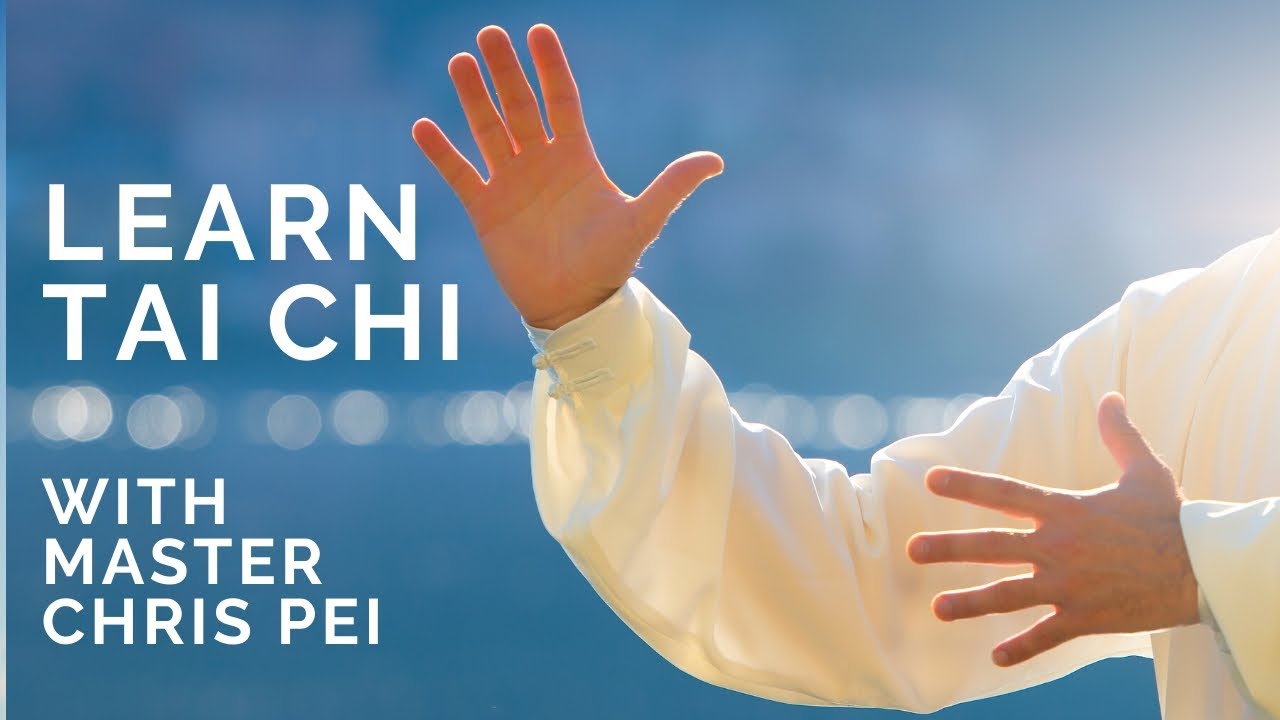 ▶ Watch on YouTube
Chris Pei — A beautiful introduction to Tai Chi and the concept of Qi in motion.
🔍 More to Explore
🔗 TCM Basics Explained
🔗 What is Qi?
🔗 Belly Breathing for Beginners
📺 Weeks 3–4: Yin-Yang and Five Elements
🔍 Watch and Learn
🔗 Yin Yang Theory Explained
🔗 Five Elements Chinese Medicine
🔗 Five Element Personality
📺 Week 5: Meridians
🔍 Watch and Learn
📺 Week 6: Acupressure
🔍 Watch and Learn
🔗 LI-4 Hegu Acupressure Tutorial
🔗 PC-6 Neiguan Acupressure Tutorial
🔗 ST-36 Zusanli Acupressure Tutorial
🔗 5 Acupressure Points Everyone Should Know
📺 Week 7: Food as Medicine
🔍 Watch and Cook
🔗 Ginger Scallion Congee Recipe
🔗 Chinese Cooking Demystified — Congee
🔗 Made with Lau — Congee
🔗 Warming and Cooling Foods TCM
📺 Week 8: Qigong and Tai Chi
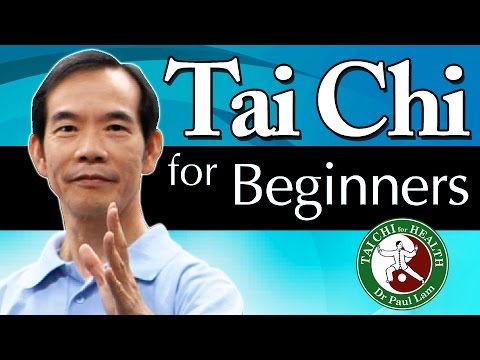 ▶ Watch on YouTube
Dr. Paul Lam — Tai Chi for Beginners. Gentle, clear instruction perfect for families.
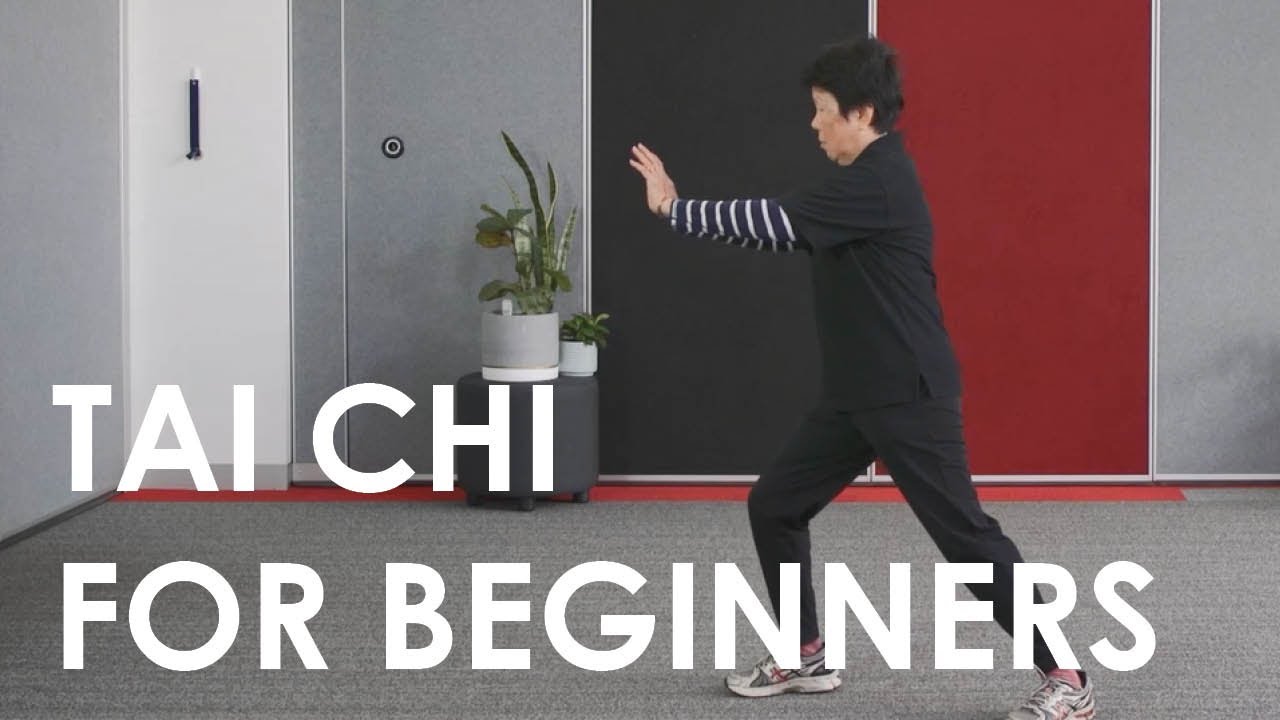 ▶ Watch on YouTube
30-Minute Tai Chi Follow Along — once you've got the basics, this is your daily practice.
🔍 Daily Practice
🔗 5-Minute Daily Qigong
🔗 Lee Holden Qigong
🔗 Qigong for Vitality
�� Tai Chi for Kids
🎥 Bonus: Documentaries and Deep Dives
📽️ Go Deeper
🎬 The Healing Path (2025) — 12-episode documentary exploring TCM practices across China.
🎬 Chinese Medicine: A Taoist Approach to Health — Available on Amazon Prime. A thoughtful look at the philosophy behind the practice.
📚 Coursera: Everyday Chinese Medicine — Free course from the Chinese University of Hong Kong. Great companion to this lesson plan.
🎙️ True Nature Radio — Podcast. Deep conversations about TCM philosophy, herbs, and clinical practice.
🚀 Follow Along — Your Quick Start Kit
📋 Try This Week
📖 1. Read — The Web That Has No Weaver by Ted Kaptchuk. It's the definitive English-language book on TCM for curious beginners. Get it from the library or grab a used copy.
👆 2. Try — The LI-4 acupressure point (between thumb and index finger). Next time you have a headache, give it 2 minutes of firm pressure before reaching for the medicine cabinet.
🍲 3. Cook — The Ginger Scallion Congee recipe above. It takes about an hour and your house will smell amazing. The recipe is simple enough for kids to help with.
📚 4. Learn — One concept per week using our 8-week plan. You don't have to do it all at once. Start with Week 1 and go at your own pace.
🛒 What You’ll Need (By Week)
Weeks 1-4: Free! Just need paper, colored pencils/markers, and a printer for charts.
Week 5: A meridian/acupuncture point chart or poster (~$10-15 on Amazon). Or just print one free from the internet.
Week 6:
- Moxa sticks — a pack of 10 (~$10-15). Get “smokeless” if doing it indoors.
- Moxa stick holder/burner box (~$5-20) — holds the stick so you don’t have to
- A glass jar with a screw lid + some dry rice inside — to safely put out the moxa stick
- A lighter (windproof butane works best)
Week 7: Ingredients for ginger scallion congee — rice, fresh ginger, scallions, sesame oil, salt. You probably have most of this already.
Week 8: Nothing — just a YouTube connection for Qigong videos.
Weeks 9-12 (TCM Bot): A computer with internet access. Dad handles the tech setup.
Total cost for the whole course: ~$30-50 (assuming you already have basic art supplies and kitchen staples).
Gear Our Friend Recommended
A friend who’s deep into TCM practice sent us these recommendations to get started with hands-on learning:
- Moxa Stick Burner Holder Box (艾灸条支架器盒) — A wooden box that holds burning moxa over your body for hands-free warming. Great for the abdomen or lower back. See on Amazon →
- Mullein Leaf Tea — 50 bags of caffeine-free herbal tea for lung and respiratory support. See on Amazon →
These are products a friend personally uses and recommended — not sponsored links.
The Capstone: Building a TCM Advice Bot
Here’s where this homeschool course takes an unexpected turn. After eight weeks of learning the theory, practicing acupressure, cooking congee, and burning moxa — we’re going to build something.
The final project: a TCM chatbot that you can tell your symptoms to and it returns personalized advice based on everything we’ve learned. Headache and feeling cold? The bot might suggest pressing LI-4, drinking ginger tea, and trying moxa on ST-36. Stressed and irritable? It could point you to LV-3, recommend cooling foods, and suggest a Qigong breathing exercise.
Here’s how we’re building it:
- Weeks 9–10: Build the Knowledge Base — Together, we organize everything from the course into structured data: Five Element relationships, symptom-to-pattern mappings, acupressure point recommendations, food therapy suggestions, and moxa protocols.
- Week 11: Design the Conversations — Lily designs the bot’s personality, writes the response templates, and decides how it should talk. Should it be wise and ancient? Friendly and modern? She gets to decide.
- Week 12: Wire It Up — Dad handles the tech side (Claude API + Python), connecting Lily’s knowledge base and personality to a working chatbot. We’ll make it accessible by text message so the whole family can use it.
Lily’s role: The TCM expert. She designs the knowledge, writes the advice, and tests whether the bot’s recommendations make sense. Dad’s role: The engineer. He connects the dots technically. Together, it’s a real collaboration — ancient wisdom meets modern technology.
This turns the course from “we learned some stuff” into “we built a tool our family actually uses.” The TCM Field Guide goes digital.
We'll report back as we go through each week — what worked, what surprised us, and whether Lily ends up understanding this stuff faster than her dad (likely). If you're following along, drop us a comment. We'd love to know we're not the only ones doing homework on a Saturday morning.
"The superior doctor prevents illness. The mediocre doctor attends to impending illness. The inferior doctor treats actual illness."
— Huangdi Neijing
Want to follow along?
Subscribe to our newsletter and we'll send you updates as Lily and I work through each week. You'll get the lessons, the activities, and all the honest reactions — including the faces Lily makes when I try to explain Qi at breakfast.
All photos via Unsplash. Free to use under the Unsplash License.
Keep Reading
- Why We Chose Florida as Our Legal Domicile (And How You Can Too)
- How We're Saving Thousands on State Taxes as Full-Time RVers
- Healthcare on the Road: Why Every Full-Time RVer Needs One Medical
- Our FIRE Number From the Road: What Financial Independence Looks Like Without a House
🎒 Curious what gear we use? Check out our complete gear guide — every product tested over 200+ nights on the road.